
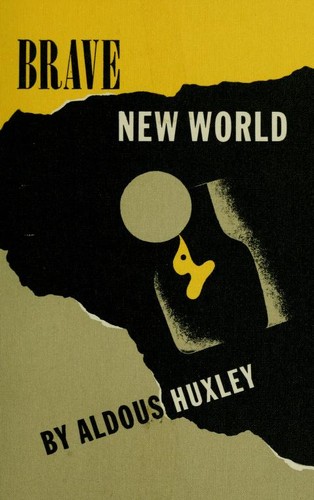
Brave New World Chapter Summary - Overview
As you read through the Brave New World chapter summary, you will be introduced to a world where people are divided into castes, and their roles in society are predetermined. The story takes a dramatic turn when Bernard and Lenina visit a savage reservation, where they encounter a group of people who live outside of their controlled society. This encounter sets off a chain of events that challenges the very foundations of their world, and forces the characters to confront the consequences of their actions.
Summary of Brave New World Chapter Summary
The Brave New World chapter summary reveals a complex and thought-provoking novel that explores the tensions between individuality and conformity, and the effects of advanced technology on human relationships. The novel is set in a future where people are genetically engineered and conditioned to be happy and conform, but at the cost of their freedom and creativity. The Brave New World chapter summary will guide you through the story of Bernard Marx and Lenina Crowne as they navigate this world, and grapple with the consequences of their actions. As you read through the summary, you will encounter key themes such as the dangers of a highly controlled society, the importance of individuality and freedom, and the effects of advanced technology on human relationships. The Brave New World chapter summary will also introduce you to a range of characters, including Bernard, Lenina, and the savage John, who challenge the status quo and force the characters to confront the consequences of their actions. Through the Brave New World chapter summary, you will gain a deeper understanding of the novel's key ideas and themes, and be able to analyze the characters and their motivations. The Brave New World chapter summary is a valuable resource for students and readers who want to gain a deeper understanding of the novel, and its relevance to contemporary society. By reading the Brave New World chapter summary, you will be able to understand the novel's exploration of the human condition, and the consequences of a society that values conformity and happiness above all else. The Brave New World chapter summary is a helpful tool for anyone who wants to study the novel in depth, and gain a deeper understanding of its key themes and ideas.
About the Author
Aldous Huxley was a British author, philosopher, and critic, best known for his dystopian novel Brave New World. He was born in 1894 and died in 1963, and is widely regarded as one of the most important authors of the 20th century. Huxley's other notable works include Eyeless in Gaza and Island.
Top 10 Key Takeaways and Lessons
- Lesson One
The Importance of Individuality: The novel highlights the importance of individuality and freedom in a society that values conformity. By embracing our unique qualities and characteristics, we can create a more diverse and vibrant society. - Lesson Two
The Dangers of a Highly Controlled Society: The Brave New World chapter summary reveals the dangers of a society that values control and conformity above all else. By understanding these dangers, we can work to create a more balanced and equitable society. - Lesson Three
The Effects of Advanced Technology on Human Relationships: The novel explores the effects of advanced technology on human relationships, and highlights the importance of human connection in a world that is increasingly dominated by technology. By being mindful of these effects, we can work to create a more compassionate and empathetic society. - Lesson Four
The Importance of Critical Thinking: The Brave New World chapter summary emphasizes the importance of critical thinking in a society that values conformity and control. By developing our critical thinking skills, we can make more informed decisions and create a more just and equitable society. - Lesson Five
The Value of Human Emotion: The novel highlights the value of human emotion in a society that values rationality and control. By embracing our emotions and vulnerabilities, we can create a more authentic and meaningful society. - Lesson Six
The Dangers of Social Conditioning: The Brave New World chapter summary reveals the dangers of social conditioning, and highlights the importance of individual freedom and autonomy. By understanding these dangers, we can work to create a more balanced and equitable society. - Lesson Seven
The Importance of Diversity and Inclusion: The novel emphasizes the importance of diversity and inclusion in a society that values conformity and control. By embracing our differences and promoting inclusivity, we can create a more vibrant and dynamic society. - Lesson Eight
The Effects of Consumerism on Society: The Brave New World chapter summary explores the effects of consumerism on society, and highlights the importance of living a more simple and sustainable lifestyle. By being mindful of these effects, we can work to create a more compassionate and equitable society. - Lesson Nine
The Value of Human Connection: The novel highlights the value of human connection in a world that is increasingly dominated by technology. By prioritizing human connection and community, we can create a more authentic and meaningful society. - Lesson Ten
The Importance of Personal Growth and Development: The Brave New World chapter summary emphasizes the importance of personal growth and development in a society that values conformity and control. By prioritizing our own growth and development, we can create a more fulfilling and purposeful life.
Book Details
| Title | Brave New World Chapter Summary |
|---|---|
| Author | Aldous Huxley |
| Pages | 288 |
| Published | 1932 |
| Language | English |
| License | Public Domain / Creative Commons |
Frequently Asked Questions
The Brave New World chapter summary is a study guide that explores the novel's key themes and ideas.
The main themes of the novel include individuality, freedom, and the effects of advanced technology on human relationships.
You can find the Brave New World chapter summary on our website, along with other study guides and resources.
Related Books You May Like
Access This Book
Borrow Free on Open LibraryBorrow this book for free through Open Library and Internet Archive.
Post a Comment