
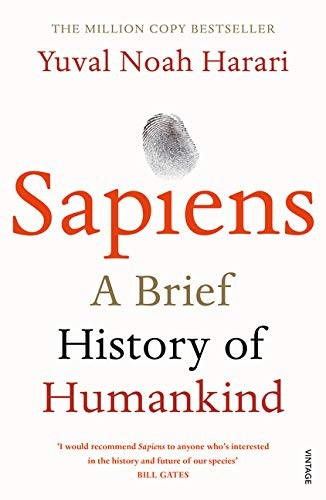
Sapiens Book Summary Yuval Harari - Overview
The sapiens book summary yuval harari is a must-read for anyone interested in history, science, or philosophy. Harari's unique perspective and engaging writing style make the book an enjoyable read, and his insights into the human condition are both profound and thought-provoking. Whether you're a student, a scholar, or simply someone looking to expand your knowledge and understanding of the world, this book is sure to fascinate and inspire you.
Summary of Sapiens Book Summary Yuval Harari
The sapiens book summary yuval harari explores the history of our species, from the emergence of Homo sapiens in Africa to the present day. The book is divided into four main parts, each of which explores a different aspect of human history. The first part explores the development of language and culture, and how these developments allowed early humans to cooperate and thrive. The second part examines the rise of agriculture and the impact it had on human societies, including the development of social hierarchies and the emergence of complex societies. The third part looks at the role of science and empire in shaping human history, including the impact of European colonization and the rise of modern nation-states. The final part explores the current state of human society and the challenges we face in the 21st century, including climate change, nuclear war, and the rise of artificial intelligence. Throughout the book, Harari draws on a wide range of disciplines, including history, science, philosophy, and economics, to provide a comprehensive and nuanced understanding of the human condition. The sapiens book summary yuval harari is a detailed and insightful guide to the book's main themes and ideas, and provides a thorough analysis of the key concepts and arguments presented in the book. By reading this summary, you'll gain a deeper understanding of the book's key concepts and be inspired to think critically about the world around you. The sapiens book summary yuval harari is a valuable resource for anyone looking to explore the big questions of human existence, and provides a unique perspective on the history and future of our species. The book's main themes and ideas are explored in detail, including the role of science and technology in shaping human history, the impact of globalization and consumerism on modern society, and the challenges we face in the 21st century. The sapiens book summary yuval harari is a must-read for anyone interested in understanding the complexities of human history and the challenges we face in the modern world.
About the Author
Yuval Noah Harari is an Israeli historian and professor who has written several bestselling books on history, science, and philosophy. His other notable works include Homo Deus: A Brief History of Tomorrow and 21 Lessons for the 21st Century.
Top 10 Key Takeaways and Lessons
- Lesson One
The Power of Imagination - The ability to imagine and create fictional stories has been a key driver of human progress, allowing us to cooperate and thrive in large numbers. By tapping into our imagination, we can create new possibilities and shape our own destiny. - Lesson Two
The Importance of Cooperation - Human cooperation has been the key to our success as a species, allowing us to build complex societies and achieve great things. By working together and cooperating with others, we can achieve far more than we could alone. - Lesson Three
The Role of Science and Technology - Science and technology have played a major role in shaping human history, from the development of agriculture to the rise of modern nation-states. By understanding the impact of science and technology on our world, we can make more informed decisions about our future. - Lesson Four
The Impact of Empire - The rise and fall of empires has had a profound impact on human history, shaping the course of global events and influencing the development of modern societies. By studying the history of empires, we can gain a deeper understanding of the complexities of human politics and culture. - Lesson Five
The Challenge of Climate Change - Climate change is one of the biggest challenges facing humanity in the 21st century, requiring a global response and cooperation to mitigate its effects. By taking action to reduce our carbon footprint and transition to renewable energy sources, we can help to ensure a sustainable future for our planet. - Lesson Six
The Rise of Artificial Intelligence - The rise of artificial intelligence is transforming the modern world, from the way we work and communicate to the way we think and interact with each other. By understanding the potential benefits and risks of AI, we can make more informed decisions about its development and use. - Lesson Seven
The Importance of Education - Education is key to unlocking human potential, allowing us to acquire new skills and knowledge and to adapt to changing circumstances. By investing in education and lifelong learning, we can stay ahead of the curve and thrive in a rapidly changing world. - Lesson Eight
The Power of Storytelling - Storytelling has been a key part of human culture and identity, allowing us to share our experiences and connect with others. By tapping into the power of storytelling, we can build stronger relationships and create more compelling narratives about our lives and our world. - Lesson Nine
The Challenge of Globalization - Globalization has brought many benefits, including increased trade and cultural exchange, but it also poses significant challenges, from economic inequality to environmental degradation. By understanding the complexities of globalization, we can work towards creating a more just and sustainable world. - Lesson Ten
The Importance of Critical Thinking - Critical thinking is essential for navigating the complexities of the modern world, allowing us to evaluate evidence and make informed decisions. By cultivating critical thinking skills, we can stay ahead of the curve and make more informed choices about our lives and our world.
Book Details
| Title | Sapiens Book Summary Yuval Harari |
|---|---|
| Author | Yuval Noah Harari |
| Pages | 416 |
| Published | 2014 |
| Language | English |
| License | Public Domain / Creative Commons |
Frequently Asked Questions
The book explores human history from emergence to present day.
The book explores science, empire, and the human condition.
You can find it on our website or in bookstores near you.
Related Books You May Like
Access This Book
Borrow Free on Open LibraryBorrow this book for free through Open Library and Internet Archive.
Post a Comment