
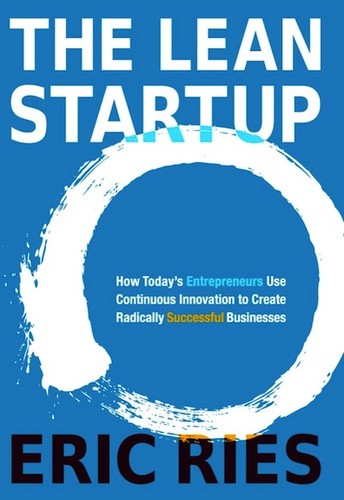
The Lean Startup Summary by Eric Ries - Overview
The book is divided into three main sections, each focusing on a different aspect of the startup process. From understanding the problem and solution to measuring progress and achieving success, The Lean Startup summary by Eric Ries covers it all. With its unique approach to product development and customer engagement, this book is a valuable resource for anyone looking to build a successful startup. By following the principles outlined in The Lean Startup, readers can create a solid foundation for their business and set themselves up for long-term success.
Summary of The Lean Startup Summary by Eric Ries
The Lean Startup summary by Eric Ries introduces the concept of the lean startup, which emphasizes the importance of rapid experimentation, customer feedback, and continuous innovation. The book is divided into three main sections, each focusing on a different aspect of the startup process. The first section explores the concept of the lean startup and how it can be applied to build successful startups. The second section delves into the principles of lean manufacturing and how they can be used to drive innovation and growth. The third section provides a framework for implementing the lean startup principles in real-world scenarios. Throughout the book, Eric Ries draws on his own experiences as a startup founder and provides practical advice and examples to illustrate the key concepts. The Lean Startup summary by Eric Ries is a valuable resource for entrepreneurs, startup founders, and anyone looking to build a successful business. By applying the principles outlined in the book, readers can increase their chances of success and create a thriving business. The Lean Startup has become a classic in the startup community, and its principles have been widely adopted by entrepreneurs and businesses around the world. The key ideas in The Lean Startup summary by Eric Ries can be applied to a wide range of industries and businesses, from tech startups to established companies looking to innovate and grow. With its focus on continuous innovation and customer feedback, The Lean Startup summary by Eric Ries provides a comprehensive guide to building a successful startup.
About the Author
Eric Ries is an American entrepreneur, blogger, and author. He is best known for his work on the lean startup movement and has written extensively on the topic. Ries has founded several startups, including IMVU, and has worked with numerous companies to implement lean startup principles.
Top 10 Key Takeaways and Lessons
- Lesson One
Build-Measure-Learn Loop - The build-measure-learn loop is a core concept in The Lean Startup. It involves building a product, measuring its success, and learning from the results. By applying this loop, entrepreneurs can create a feedback-driven approach to product development. - Lesson Two
Minimum Viable Product - A minimum viable product (MVP) is a product that has just enough features to satisfy early customers. By releasing an MVP, entrepreneurs can test their product and gather feedback from customers without investing too much time and resources. - Lesson Three
Pivot or Persevere - The pivot or persevere decision is a critical one for startups. By analyzing customer feedback and market trends, entrepreneurs can decide whether to pivot their product or persevere with their current strategy. - Lesson Four
Innovation Accounting - Innovation accounting is a framework for measuring the success of innovation efforts. By using innovation accounting, entrepreneurs can track their progress and make data-driven decisions about their product development. - Lesson Five
Batch Size - The batch size refers to the amount of work that is done before feedback is sought. By reducing the batch size, entrepreneurs can increase the speed of their feedback loop and make more rapid progress. - Lesson Six
Lean Startup Principles - The lean startup principles provide a framework for building successful startups. By applying these principles, entrepreneurs can create a solid foundation for their business and increase their chances of success. - Lesson Seven
Customer Development - Customer development is a critical aspect of the lean startup process. By understanding customer needs and preferences, entrepreneurs can create products that meet their needs and build a loyal customer base. - Lesson Eight
Agile Development - Agile development is an approach to software development that emphasizes rapid iteration and continuous improvement. By using agile development, entrepreneurs can create software products that are responsive to customer needs and market trends. - Lesson Nine
Lean Startup Tools - The lean startup provides a range of tools and techniques for building successful startups. By using these tools, entrepreneurs can streamline their product development process and increase their chances of success. - Lesson Ten
Startup Success - Startup success requires a combination of hard work, dedication, and the right mindset. By applying the principles outlined in The Lean Startup, entrepreneurs can increase their chances of success and build a thriving business.
Book Details
| Title | The Lean Startup Summary by Eric Ries |
|---|---|
| Author | Eric Ries |
| Pages | 336 |
| Published | 2011 |
| Language | English |
| License | Public Domain / Creative Commons |
Frequently Asked Questions
The Lean Startup summary by Eric Ries is about building successful startups using lean principles.
The key themes include lean principles, customer development, and innovation accounting.
You can read The Lean Startup by Eric Ries at your local library or purchase a copy online.
Related Books You May Like
Access This Book
Borrow Free on Open LibraryBorrow this book for free through Open Library and Internet Archive.
Post a Comment